Start with the progress, not the feature
Find the change a person is trying to make, the forces holding them back, and the language they already use for the problem.
A clear brief for what deserves to exist
for Claude Code, ChatGPT Work, Codex, Hermes, OpenClaw, Grok Bot and other agents
Humane gives AI coding agents a design method: frame the real job, make the cheapest useful prototype, evaluate the interface, and leave evidence for the next decision
Most agent workflows begin with a request and end with a screen. Humane makes the space in between visible
It begins with a person in a situation, not with a component. The agent helps name the job, the evidence, and the question that is still open
It makes the cheapest useful answer to that question, before effort hardens into a polished guess
It gives the emerging interface rules that can travel — type, language, layout, imagery, and the decisions behind them
It walks the result as a person would, distinguishes evidence from inference, and says plainly what remains unknown
Then the work leaves a trace: what changed, what improved, and what the next question should be
Humane is a collection of focused skills. Each one holds a part of the work without turning the whole process into a black box
Read all skill guides →Follow a handoff to see where the next piece of work begins
Hover or select a node to see when to use it, what it hands off, and the exact skill name an agent can run.
Find the change a person is trying to make, the forces holding them back, and the language they already use for the problem.
A clear brief for what deserves to exist
Turn an approved visual direction into illustrations and photographic prompts that carry the same material, tone, and judgement as the rest of the product.
A reusable image recipe instead of isolated decoration
Turn the first idea into a sketch, a clickable prototype, or a small working page—only detailed enough to answer the live question.
A cheap thing to react to, before an expensive thing to maintain
Write the words that help someone act: the invitation, the setting, the confirmation, the moment when something goes wrong.
Product language that does not leave people guessing
Choose type, color, spacing, and imagery as a shared vocabulary, then make the rules legible to people and to the code.
A design system with a point of view, not a pile of variables
Fit a decided interface to the real components, tokens, and constraints of a project without quietly changing the product to suit a library.
The existing stack becomes a useful boundary, not a design brief
Ask different people to read the same page, message, or proposition independently, then pay attention to where their readings converge and split.
A check on whether the work lands beyond the room that made it
Take a real task and attempt it step by step. The important question is not whether the interface looks coherent, but whether someone can finish what they came to do.
A record of where the experience actually breaks
Let an engineer, a sceptical buyer, an operator, or another stakeholder read the work from their own practical concerns before it has to survive a real meeting.
Constructive friction before the cost of commitment
Inspect a screen against the usability principles that make a system feel understandable, reversible, and calm when something unexpected happens.
A disciplined critique of what the interface asks people to carry
Check the structural details that undo good intentions: dense information, small screens, touch, contrast, URLs, loading states, and the awkward edge cases.
A practical guard against polished but brittle interfaces
Review a design against familiar usability principles, structural failure modes, contrast, and the details that are easy to miss in a beautiful first pass.
Specific shortcomings, with their severity and their evidence
Describe the before and after in human terms: the tension, the relief, the new capability—not only the output a product happens to produce.
A transformation story strong enough to test against reality
Explore an identity before committing it to rules; when the direction is clear, make illustration and image work that belongs to the same world.
A coherent visual language from first reference to finished asset
Test actual headlines, long reading, dense tables, symbols, weights, and languages before calling a typeface the right one.
A type decision based on use, not a specimen pangram
When the path is unclear, Humane reads the handoffs between its tools so the next step follows the work instead of a generic playbook.
A method that can explain where it is going and why
Check what a project can actually use—its context, sources, tools, tokens, and review surfaces—before asking an agent to promise work it cannot verify.
A working environment made explicit before the first decision
Build a small family of tactile sounds for the moments a person can feel: a panel catching, a choice landing, a task completing—quietly, without turning the interface into a game.
A sound palette that belongs to the product, not a layer of noise
Turn an ordered sequence into a scroll-based explanation that still reads clearly without choreography, JavaScript, or motion.
A story map with a reliable document underneath
Give a choice, validation, completion, or gesture a bounded response that explains what changed without making motion carry the meaning.
Feedback with a real purpose, including quiet sound hooks when chosen
Check English and Russian microtypography, protected word pairs, punctuation, symbols, and copy residue while keeping editorial judgment separate.
Safe corrections without silently rewriting the author
Recent changes to the Humane method and skills.
The plugin is ready for the Astra design system — references compacted and moved into dedicated files.
design-tokens now generates on-brand images with GPT Image 2.5.
jtbd, review, setup, and brand-illustrate moved their contracts into dedicated reference files.
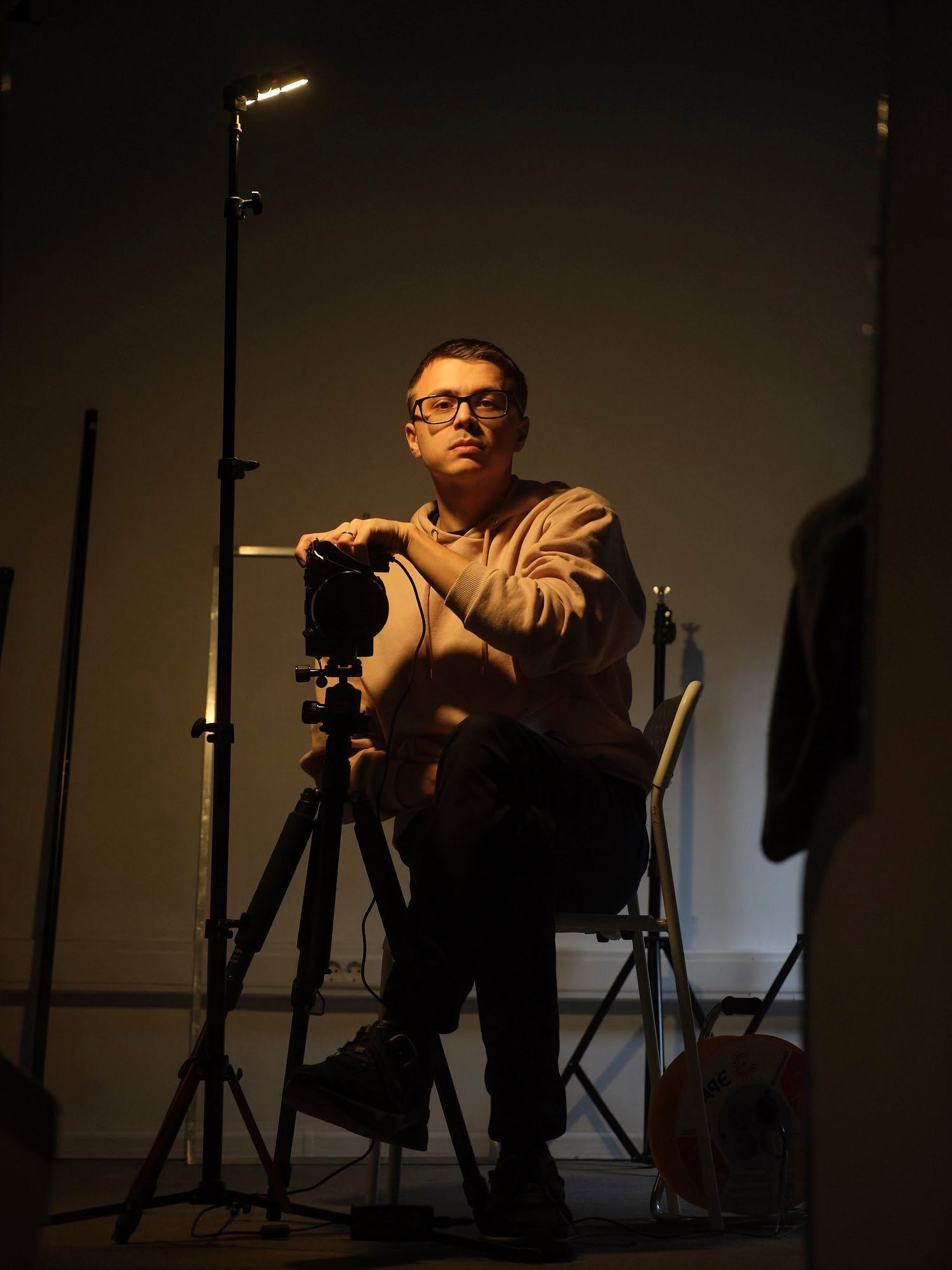
Humane comes from my product and service design practice, as well as from being an artist and, lately, a developer. My approach takes language, visual judgment, and the lived situation of the person on the other side seriously. I don’t think empathy can become algorithmic, but it definitely can be taught. I am looking for a future where default accessibility of apps and services — for humans and agents — will be high by default.
Most of my tools are open source, because a program or a method is only stronger when it can be inspected, challenged, and adapted.
Visit glebkalinin.com ↗StartBring a live product question that matters now.
PracticeUse evidence, prototypes, critique, and references to give that question a shape.
ReturnLeave each session with a decision, a trace of why it was made, and a next move.
Not a hypothetical brief. Start with a product, an audience, and a decision you genuinely need to make. The group gives you enough friction to see what your first answer missed.
Use the toolkit, but do not outsource taste. References, critique, prototypes, and evidence become a working way of deciding.
Bring a live question you need to move forward. We will make the next decision clearer, more testable, and more yours.
Join Goal-Driven Design ↗